
Most homeowners rarely think about their electrical panel until part of the house loses power. Indiana’s electric cooperatives encourage members to learn where their panel is located, how it works, and how to shut off power in an emergency.
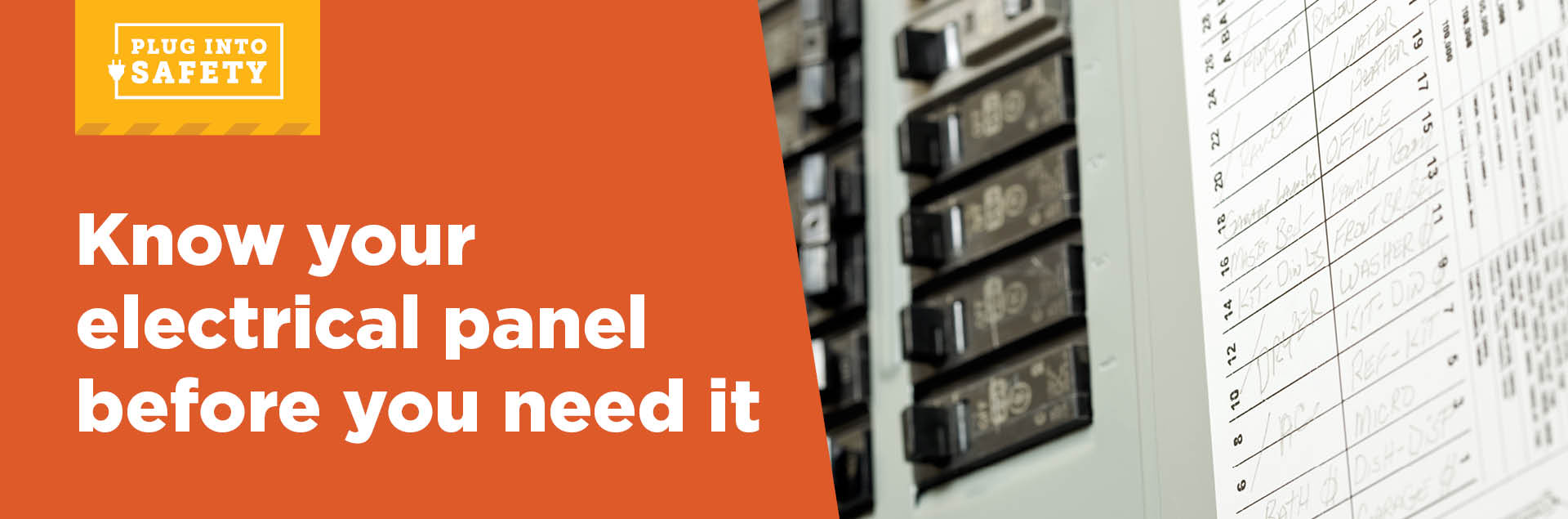
Your electrical panel is the control center for everything in your home that runs on electricity. If someone is being shocked or you smell something burning, you don’t want to be searching for the right switch. Knowing your panel ahead of time can make a real difference.
An electric cooperative maintains the power lines that serve a home, up to and including the meter. Everything beyond the meter, known as the load side, is the homeowner’s responsibility. That includes the electrical panel, the wiring, and the home’s outlets and switches. Tampering with an electric meter is both dangerous and illegal.
The electrical panel distributes power to the circuits in a home. Circuit breakers or, in many homes built before 1965, fuses protect each circuit by cutting power when it draws more electricity than it can safely carry. The main breaker shuts off power to the entire home.
What to do now:
- Make sure every member of the household knows where the electrical panel is located.
- Label each breaker with the rooms or appliances it controls.
- Keep the area in front of the panel clear.
- Avoid putting large appliances, such as a refrigerator and a washing machine, on the same circuit.
- Replace a blown fuse only with one of the same amperage rating; never with a higher one.
Homeowners should also watch for warning signs of an overloaded circuit or wiring problem, including flickering or dimming lights, warm outlets or switch plates, a burning smell, and breakers that trip often. Any of these warrants a call to a licensed electrician. Homeowners should never remove the inner cover of an electrical panel themselves.